A LETTER FROM ECOWICE

Stories of people, wildlife and the places we share—addressed to you.

From close encounters to classroom curiosity: explore, reflect and try a simple activity.

STORIES FROM OUR SHARED LANDSCAPES

ECOWICE — Environmental Conservation for Wildlife and Community Enterprise

People, wildlife and the places we share

Our shared future begins in everyday moments

Hello,

An elephant beside a bathroom. Children raising their hands. A jar of honey in a visitor’s hands.

Conservation takes shape in ordinary places. Follow the connections between everyday safety, community voices and classroom curiosity—and discover one small way to take part.

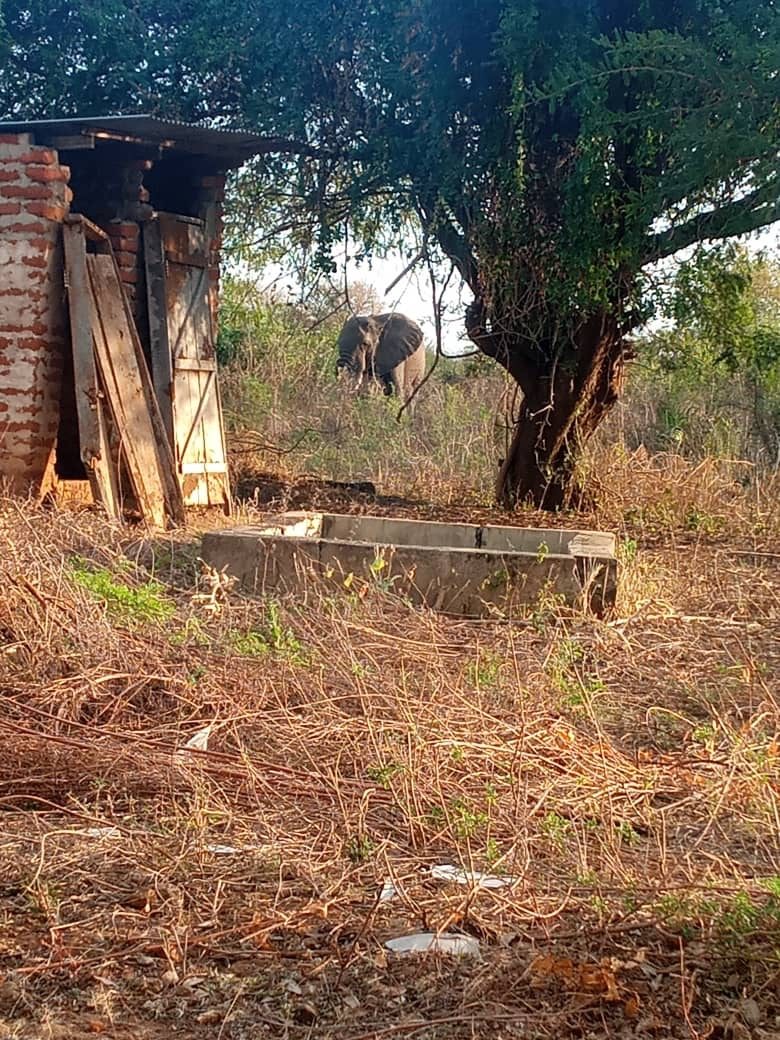
An elephant approaches a bathroom, illustrating the close proximity of people and wildlife.

PEOPLE • WILDLIFE • COMMUNITY

When wildlife comes close to home

An elephant approaches a bathroom, framed by trees and tall grass. For the people who use this space, living alongside wildlife is part of daily life.

The challenge is practical: protecting families and livelihoods while making room for wildlife. Local knowledge, timely information and appropriate guidance all have a part to play.

The scene invites a practical question: what information would help a household feel better prepared? Carry that question into the community conversation below.

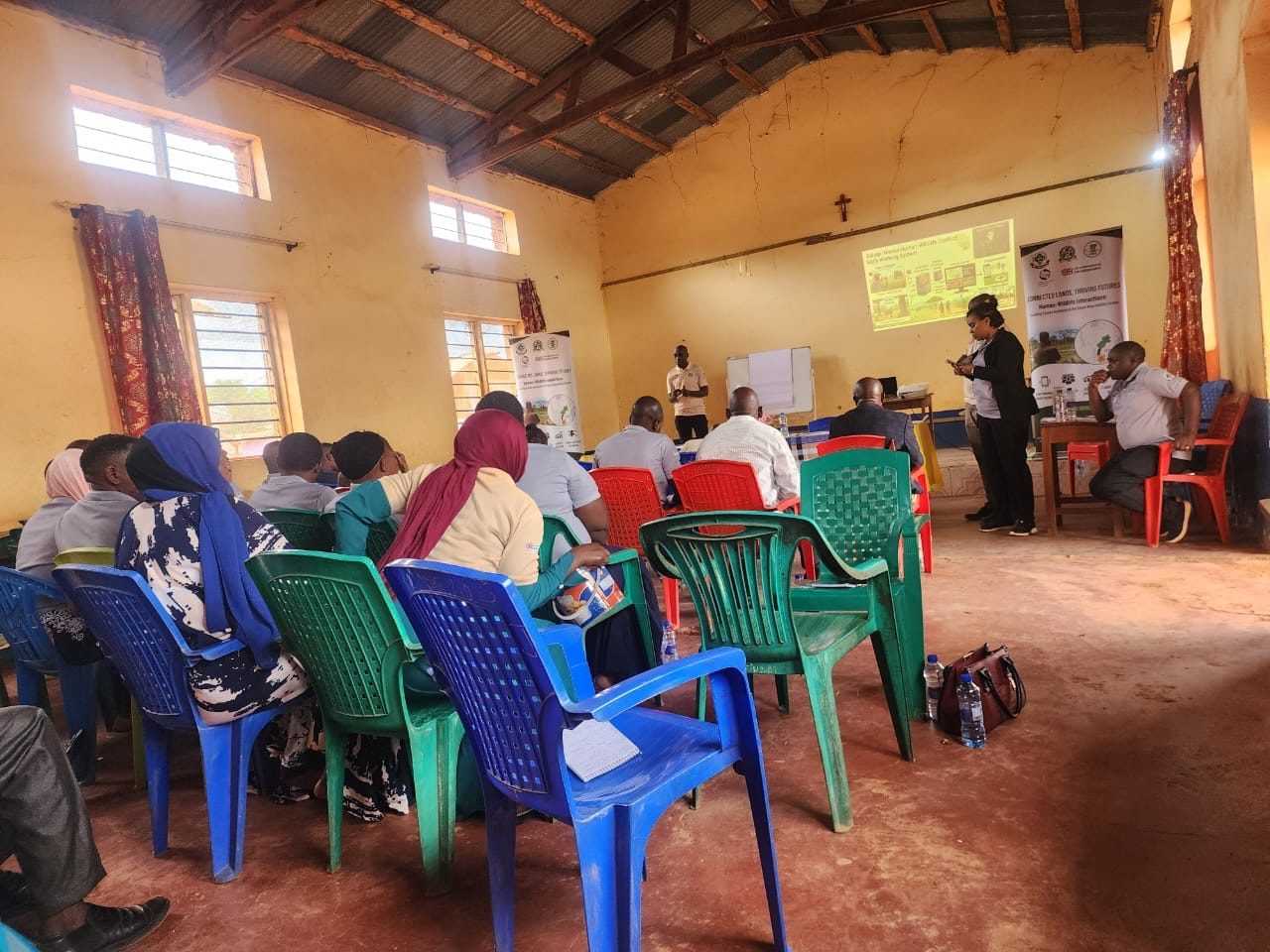
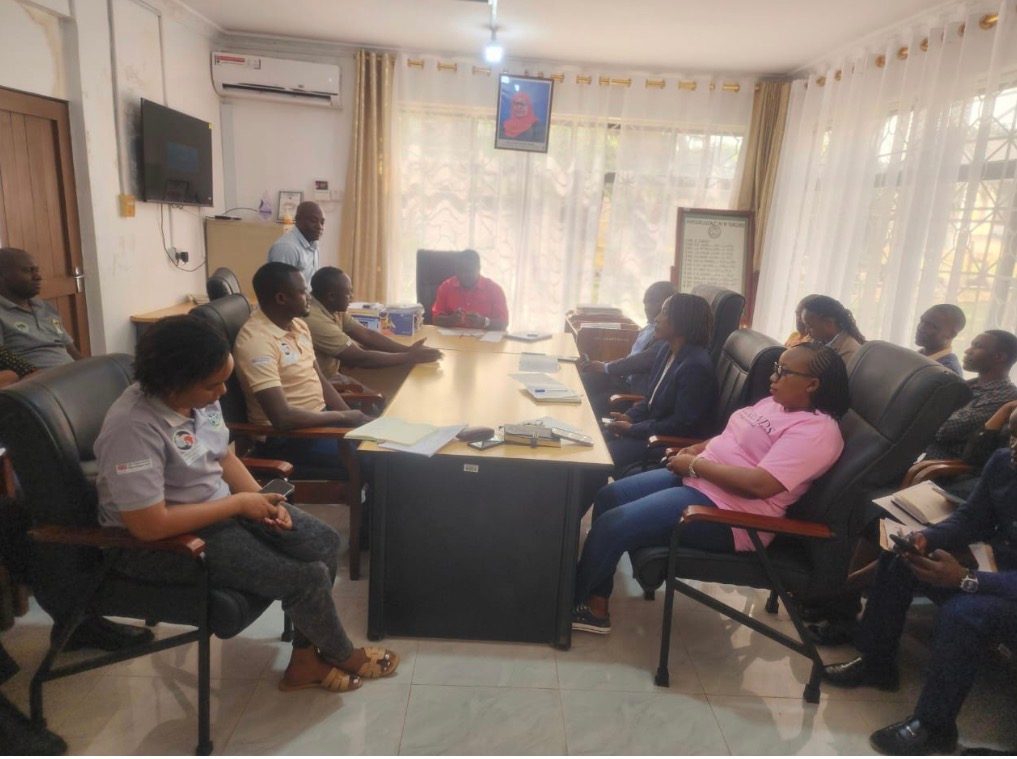
Stakeholders gather in Namtumbo to discuss human–wildlife interaction and climate resilience.

PEOPLE • WILDLIFE • COMMUNITY

Coming together in Namtumbo

That question connects with a wider conversation in Namtumbo: how can conservation respond to the needs of people who share their landscapes with wildlife?

ECOWICE is working with Sokoine University of Agriculture and the Tanzania Wildlife Management Authority (TAWA) on a three-year project funded by GCBC. The project focuses on human–wildlife interaction and climate resilience in the Selous–Niassa Wildlife Corridor.

ECOWICE contributed to stakeholder mapping and consultation, helping identify whose knowledge, concerns and involvement should shape the work. Its participation in the Namtumbo workshop carried that community focus into discussions about practical approaches to coexistence.

The aim is to connect local experience with research and wildlife management so that proposed solutions—including early warning approaches—respond to everyday needs. The intended benefits are safer lives, stronger livelihoods and a future for wildlife; these remain goals to work towards and assess over the project’s three years.

Listening is also where learning begins. From the conversation in Namtumbo, we turn to a classroom connection that reached all the way to Ohio.

Shared voices. A shared landscape.

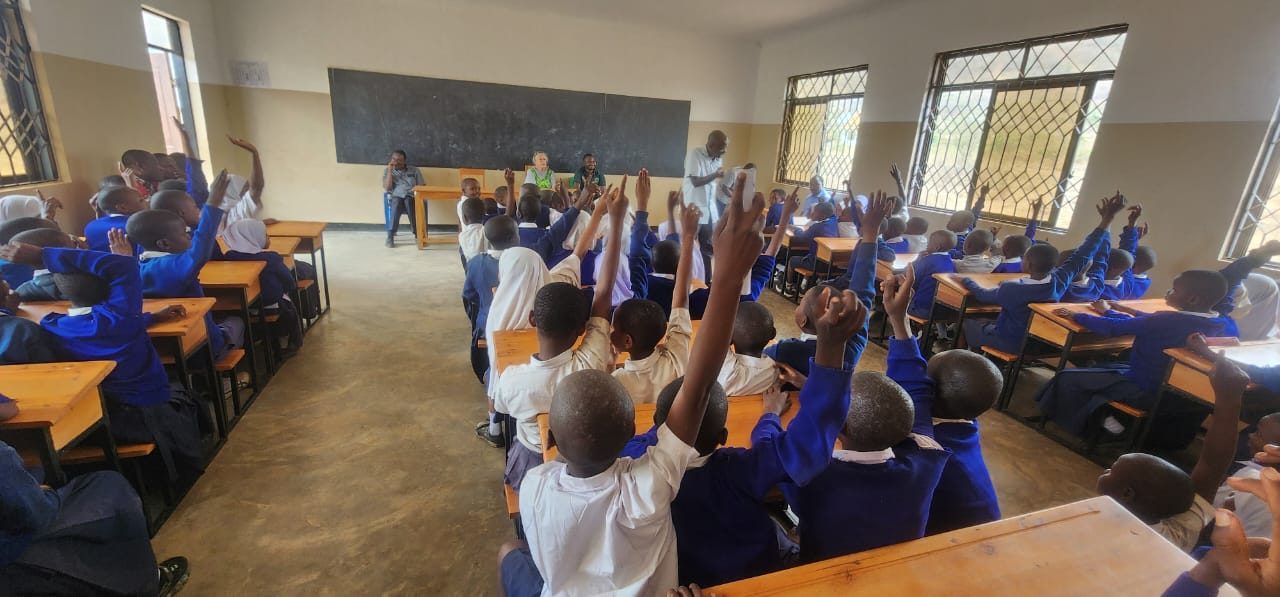
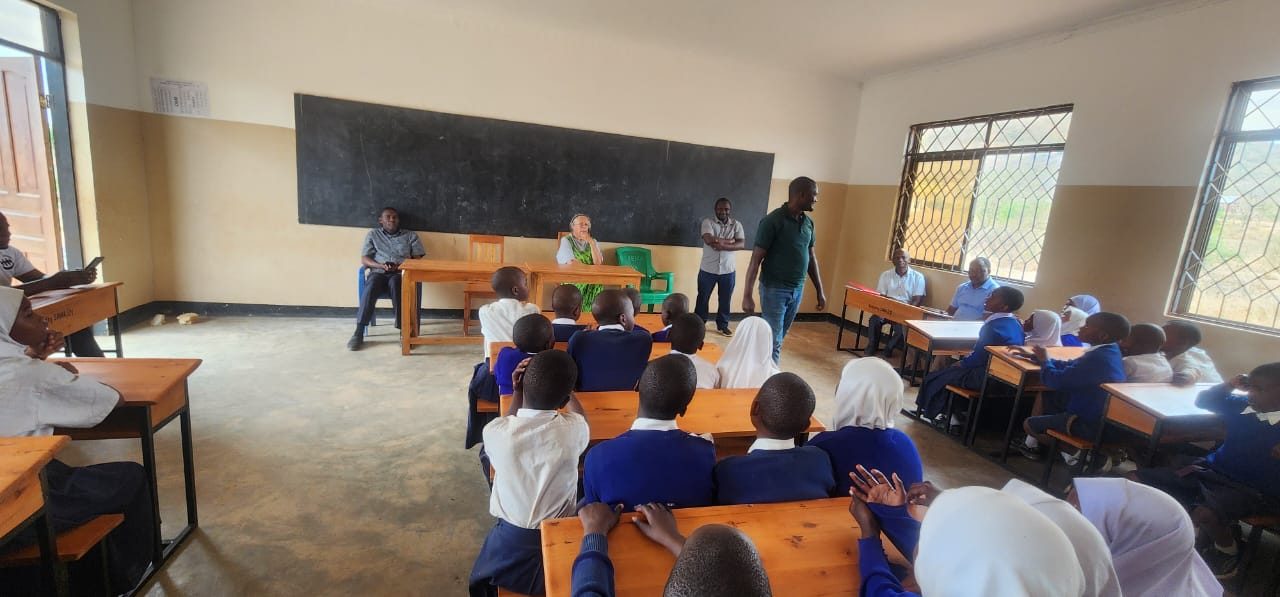
Raised hands and shared curiosity during Karen Matteson’s visit to ECOWICE from Ohio.

PEOPLE • WILDLIFE • COMMUNITY

From Ohio to ECOWICE

Raised hands filled a classroom during Karen Matteson’s visit from Ohio. Children’s curiosity opened a conversation between people whose homes are far apart, but who share an interest in the world around them.

Children’s futures and care for nature offer common ground. Karen’s visit brought those connections into everyday encounters with ECOWICE’s work.

Watch the short video below to join Karen’s visit and hear the children’s message about caring for their environment. Tap Play, or expand the video for a closer view.

From Ohio to Tanzania — Karen visits ECOWICE

Thank you, Karen, for spending time with ECOWICE. The curiosity shared during a visit can continue long afterwards—with teachers helping children explore nature through their daily lessons.

A classroom exchange during Karen Matteson’s visit to ECOWICE.

PEOPLE • WILDLIFE • COMMUNITY

Helping teachers bring conservation into classrooms

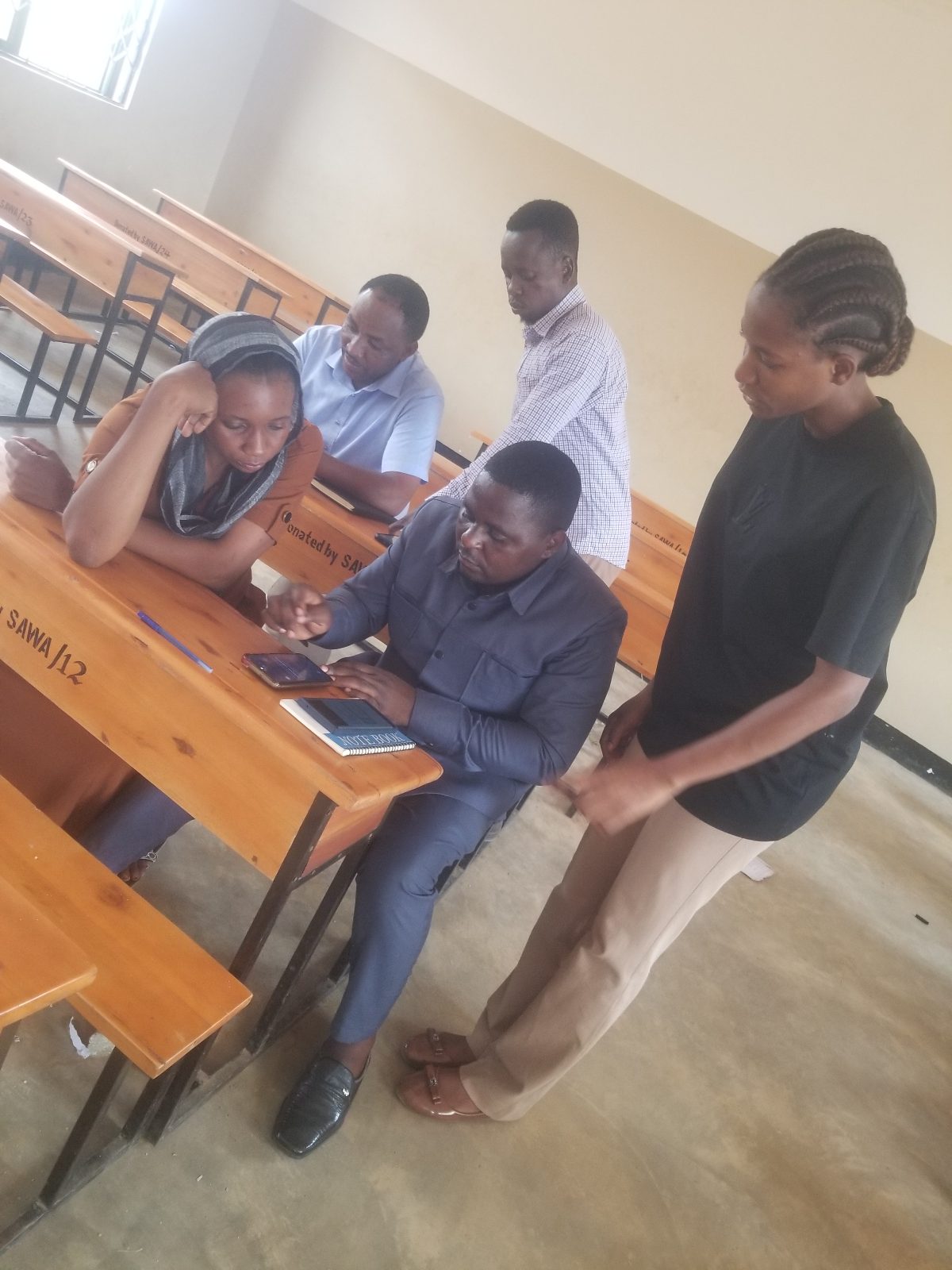
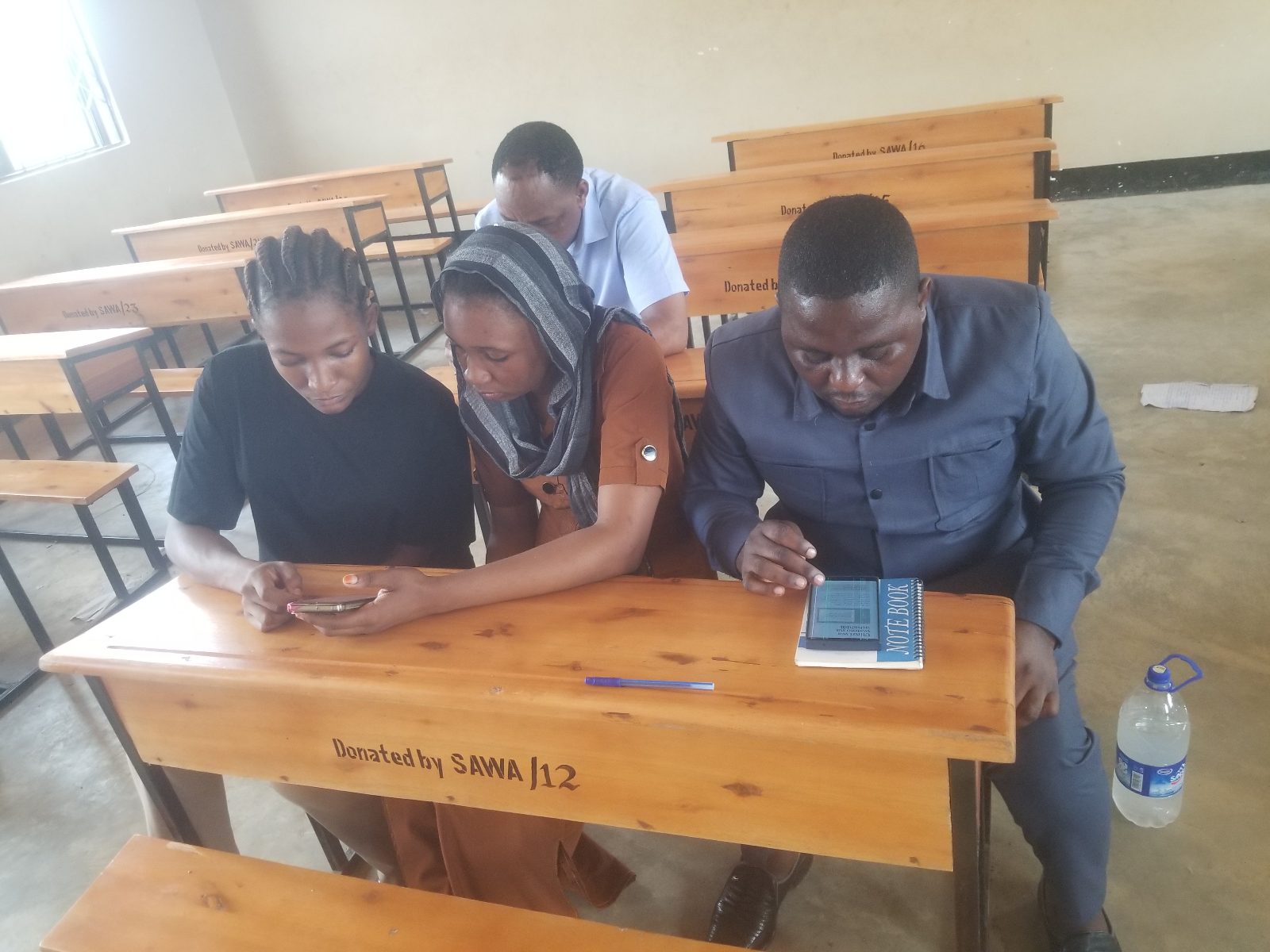
Teachers receive hands-on guidance using the new Save Wild Academy platform.

Gathered around phones, teachers explored Save Wild Academy with practical guidance from ECOWICE. The purpose is to help them connect classroom learning with the world children know.

Wildlife, landscapes and everyday experiences can become starting points for mathematics, reading and discussion. Save Wild Academy supports ECOWICE’s work to bring human–elephant coexistence into primary-school teaching.

Our aim is for classroom curiosity to continue in conversations at home, as children share questions and observations with their families.

What might that look like in a lesson? Try the small counting challenge below.

Teachers explore Save Wild Academy together on their phones.

A MOMENT OF DISCOVERY

Did you know?

A mathematics lesson can begin with a question about nature.

Try it: imagine a class records 3 bird observations on Monday and 5 on Tuesday. How many observations did they record altogether? Does that prove they saw 8 different birds?

Answer: 8 observations. They may have seen some birds more than once, so the number of different birds is unknown.

This is an illustrative classroom activity. It combines addition with a useful conservation habit: distinguishing what we observed from what we can conclude.

Try a similar counting activity from a safe place, without approaching or disturbing wildlife. That habit of looking more closely can follow us beyond the classroom—even to the food we bring home.

Explore Save Wild Academy →

PEOPLE • WILDLIFE • COMMUNITY

Nature, livelihoods and everyday choices

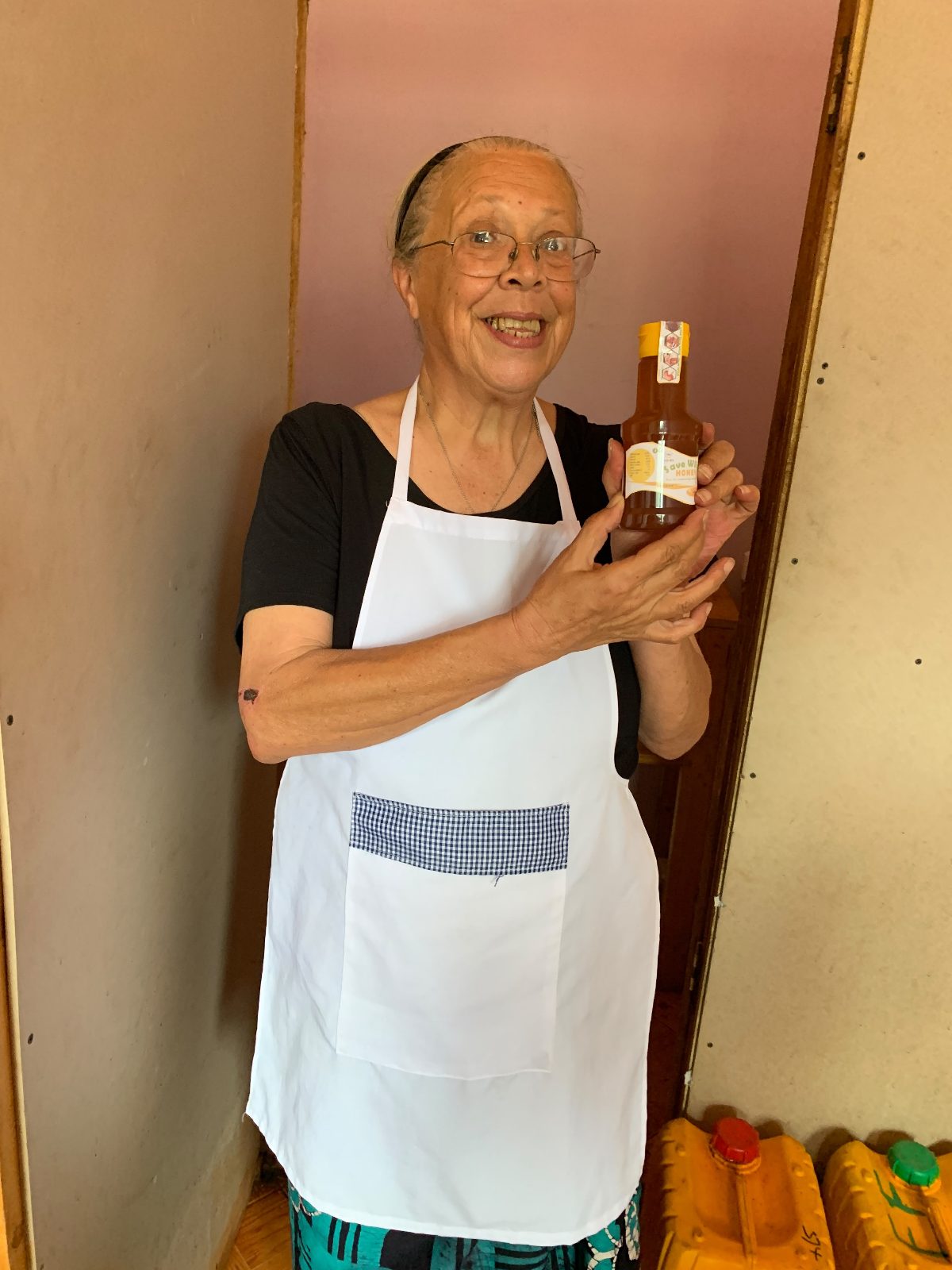
Karen Matteson with Save Wild Honey at ECOWICE’s honey processing facility.

At ECOWICE’s honey processing facility, Karen held a jar of Save Wild Honey. It offered another starting point for the same conversation: how does nature connect with everyday life?

Behind a jar of honey are bees, the plants they visit and the people whose work brings honey to the table. Beekeeping connects the natural world with livelihoods, making it a meaningful place to begin asking questions.

The next time you buy honey, ask where it came from and how it was produced. A simple question can help us understand the relationship between what we buy and the landscapes we care about.

From a household near elephants to a classroom or a honey facility, one connection can lead to another. Here is one you can make today.

PEOPLE • WILDLIFE • COMMUNITY

Be part of our shared future

Share Save Wild Academy with a teacher you know. Explore the platform together and consider how one lesson could connect classroom learning with local nature.

Thank you for reading, asking questions and supporting community-led conservation.

The ECOWICE Team

Support the future we share

Choose the work you would like to support.

Donate to environmental education →Donate to coexistence programs →
ECOWICE • People and wildlife thriving together
ECOWICE newsletter
ecowice.org